
Choosing the right Airless Packaging supplier can shape product quality, filling efficiency, and customer trust across international markets. This guide examines ten suppliers serving global buyers, from established manufacturers to specialized packaging partners.
The selection focuses on practical evidence, not attractive catalogs alone. We consider bottle and jar materials, pump performance, dosage consistency, decoration options, minimum order quantities, and production capacity. We also examine sample support, factory communication, quality-control procedures, and export experience. Small details matter. A pump that dispenses unevenly can damage a premium skincare launch. An unclear lead time can disrupt seasonal production.
Sustainability receives careful attention. Recycled content, mono-material designs, refill concepts, and responsible sourcing may support a stronger packaging strategy. However, environmental claims require verification. A recyclable component does not always mean the complete package is accepted locally. Buyers should request technical documents, test reports, material declarations, and relevant certifications before making commitments. Requirements can differ between regions, and assumptions create avoidable risk.
No supplier is perfect. Some offer excellent customization but require higher order volumes. Others provide fast sampling but limited decoration choices. This comparison recognizes those trade-offs instead of presenting a simple winner. It is designed for brand owners, contract manufacturers, distributors, and procurement teams evaluating reliable partners. Actual performance should still be confirmed through samples, pilot runs, and written specifications. That final check remains essential.
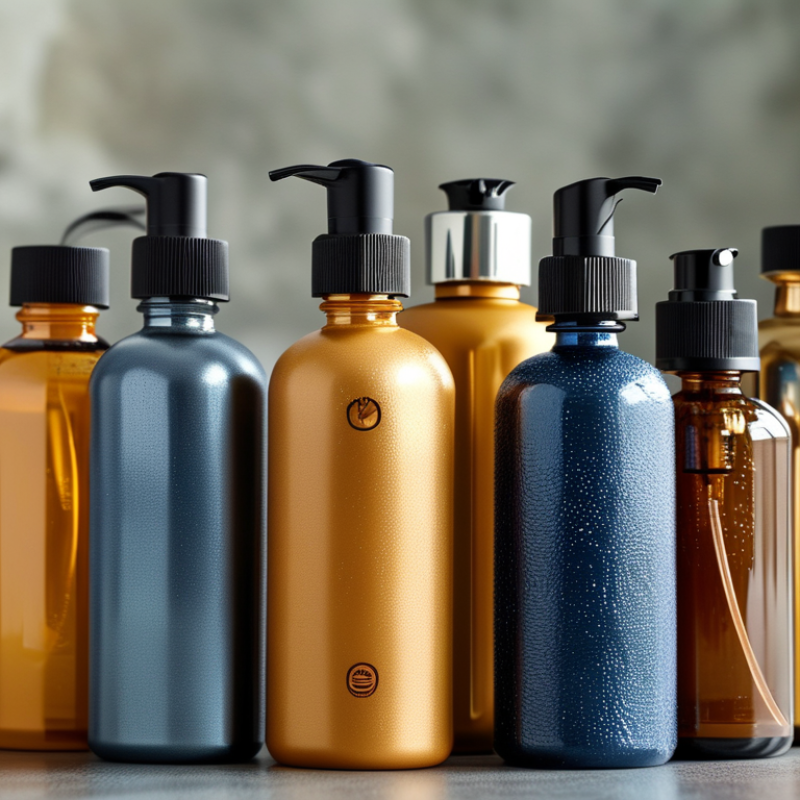
Airless packaging uses a pump system that limits air entering the container. A piston or flexible inner bag moves upward as the product is dispensed. This design helps protect creams, serums, lotions, and other sensitive formulas from oxygen and repeated exposure. The product usually comes out through a narrow nozzle. Cleaner application matters.
Global buyers often choose airless packs for longer product stability and controlled dosing. A user may receive nearly the same amount with each press, reducing waste during daily use. The sealed structure also lowers the risk of contamination from fingers, dust, and bathroom moisture. During shipping, fewer open jars can mean fewer messy leaks, although no package is completely failure-proof.
From practical sourcing work, the pump’s performance depends on formula thickness, filling temperature, and closure quality. Buyers should request compatibility tests, leakage checks, and repeated dispensing trials before placing large orders. A thick balm may need a different actuator than a light lotion. Small details matter. Airless packaging can also create recycling challenges when several materials are bonded together. This weakness deserves honest review, especially for buyers planning large international volumes. Suppliers should provide material information, filling guidance, sample testing, and documented quality procedures. A polished appearance is useful, but reliable delivery and consistent pump performance matter more.
How to Set Selection Criteria for Airless Packaging Suppliers
Global buyers should evaluate airless packaging suppliers beyond appearance and unit price. Future Market Insights estimates the airless packaging market will grow from about US$6.5 billion in 2023 to US$11.8 billion by 2033. This growth increases supplier choice, but also raises quality risks. Ask for documented pump-dose accuracy, evacuation rates, leakage results, and compatibility testing with the actual formula. A polished sample proves little.
Manufacturing controls matter. Suppliers should provide ISO 9001 quality records and, where cosmetics are involved, evidence aligned with ISO 22716 good manufacturing practices. Request batch traceability, incoming-material checks, mold-maintenance records, and corrective-action reports. ASTM D4169 or equivalent transport testing can reveal failures after vibration, compression, and temperature changes. Test filled samples, not empty containers. Real conditions are less forgiving.
Sustainability requires precise questions. Check whether the actuator, pouch, spring, and bottle can be separated, and ask for recycled-content certificates. The Ellen MacArthur Foundation reports that packaging design strongly influences material recovery, yet airless systems may contain several difficult-to-separate components. Recycling claims need local verification. A supplier may offer impressive percentages that do not work in your target market. I would also compare minimum order quantities, tooling ownership, lead times, spare parts, and disaster-recovery plans. The cheapest quotation can become expensive after one failed shipment. Mistakes still happen. Suppliers willing to share test limits, not just pass statements, usually provide stronger evidence for long-term purchasing decisions.
The leading airless packaging suppliers combine engineering depth with dependable production control.
Grand View Research estimates the global airless packaging market will grow at a 6% annual rate through 2030. That expansion rewards suppliers with strong barrier testing, precise piston design, and stable dispensing performance. The best ten supplier profiles usually include custom molders, pump specialists, turnkey filling partners, and regional stockists. Each serves a different buyer need.
Custom molders stand out when unusual shapes or low minimum orders matter. Pump engineers focus on accurate dosing, often between 0.2 and 1.0 milliliters per actuation. Barrier specialists help protect sensitive formulas from oxygen and light. PCR material experts support recycled-content targets, although recycled resin can affect color and consistency. Decoration suppliers add soft-touch coatings, metal effects, or clear measurement windows. Practical experience matters here. A beautiful prototype can still fail during high-speed filling.
The Sustainable Packaging Coalition reports that packaging recovery remains limited for many mixed-material formats. This makes mono-material development increasingly important. Turnkey suppliers reduce coordination errors by combining components, filling, and testing under one contract. Regional warehouses improve delivery reliability, especially for global buyers managing seasonal demand. Buyers should request compatibility data, leakage results, and production samples before approval. Supplier claims need evidence. Some specifications remain unclear. That deserves closer review.
When screening the 10 best airless packaging suppliers, global buyers should compare evidence, not polished samples.
Grand View Research estimated the airless packaging market at USD 5.1 billion in 2023. Its 2024 forecast also indicates steady growth through 2030. This growth attracts capable manufacturers and inconsistent newcomers.
Ask suppliers for pump output records, leakage results, compatibility testing, and batch traceability.
Test the package with your actual formula for at least eight weeks. Check priming after storage, remaining product, and actuator feel. Small details matter. A thick cream may require different valve geometry than a watery serum.
Suppliers serving regulated markets should explain ISO 22716 practices and relevant quality controls. For medicinal applications, ISO 15378 certification may provide stronger packaging oversight.
Customization should include decoration, actuator design, fill volume, materials, and tooling ownership. Request tolerance data, not only renderings.
McKinsey’s 2023 packaging research found that 60–70% of consumers may pay more for sustainable packaging, but sustainability claims still need proof. Ask for recycled-content evidence, recyclability guidance, and lifecycle information. Do not accept vague “green” language.
Compare minimum order quantities, mold fees, lead times, and change-control procedures.
No scorecard is perfect. We still miss details when samples look impressive. A practical supplier comparison combines laboratory results, compliance documents, production audits, and responsive communication.
Choosing among the 10 best airless packaging suppliers requires more than comparing prices. Your target market should guide every technical decision. A lightweight pump may suit online retail, while luxury stores may expect heavier, refined components. Product viscosity also matters. Thick creams need reliable dispensing and smooth piston movement.
Ask suppliers for samples, pump-dose data, material specifications, and compatibility tests. Check whether the package protects sensitive formulas from air, light, and repeated opening. Request clear production timelines, minimum order quantities, and inspection procedures. For global distribution, review packaging performance in hot, cold, and humid conditions. A supplier with regional logistics experience can reduce delays, but never assume its documents are complete. Verify test reports independently when possible.
Tips: Compare suppliers using the same checklist. Test filled samples, not empty containers. Confirm decoration quality after rubbing and transport tests. Ask how production defects are handled. Small details matter.
Market expectations can differ sharply. Some buyers prefer recyclable components, while others prioritize refill options or premium finishes. Confirm accepted material claims with qualified local professionals before publishing them. I would also leave room for revisions; the first sample often looks good but dispenses poorly after storage. A slightly higher unit cost may be reasonable if it improves reliability, reduces complaints, and supports stable supply.
Comparison framework based on market fit, packaging capability, documentation readiness, and quality-control requirements.
| Rank | Best-Fit Supplier Profile | Primary Target Market | Common Airless Formats | Typical Material Options | Documentation to Request | Key Verification Point |
|---|---|---|---|---|---|---|
| 01 | Global multi-market supplier | EU, United States, United Kingdom, and Asia-Pacific | Bottles, jars, tubes, dual-chamber packs, and refillable systems | PP, PE, PET, post-consumer recycled plastic, and glass outer components | Material declarations, migration or compatibility data, quality certificates, and market-specific compliance statements | Ability to maintain consistent specifications across multiple manufacturing locations |
| 02 | Cosmetic airless specialist | Skin care, facial care, and color cosmetics | Cream jars, serum bottles, lotion pumps, and compact airless containers | PP, PE, PET, acrylic-style components, and aluminum decoration parts | Compatibility testing, leakage tests, pump-cycle results, and ISO 22716-related quality information | Confirmed dispensing performance with the buyer’s actual formula and viscosity |
| 03 | High-barrier formulation supplier | Vitamin, antioxidant, retinol, and oxygen-sensitive formulations | Small-volume bottles, serum pumps, and opaque airless jars | Multilayer plastic, opaque PP, barrier-coated components, and UV-protective materials | Oxygen-barrier data, light-transmission data, shelf-life support, and formula-package compatibility results | Barrier performance must be tested using the intended formula, fill level, and storage conditions |
| 04 | Premium design and decoration supplier | Prestige beauty, luxury skin care, and gift-oriented products | Heavy-wall jars, sculpted bottles, metal-look pumps, and decorated outer sleeves | Glass, thick-wall plastic, aluminum, coated metal, and decorated recycled plastic | Color standards, artwork approvals, coating specifications, adhesion tests, and cosmetic-packaging quality plans | Decoration durability after filling, transport, rubbing, and exposure to oils or alcohol |
| 05 | Sustainable-material supplier | Markets with recycled-content, recyclability, or plastic-reduction goals | Mono-material bottles, refillable jars, lightweight pumps, and reduced-component packs | PCR PP, PCR PE, recyclable PET, bio-based plastic, and separable component systems | Recycled-content evidence, material identification, recyclability assessment, and supply-chain traceability | Verify the actual recycled content, color variation tolerance, and compatibility with local recycling systems |
| 06 | Small-batch and emerging-brand supplier | Start-ups, limited editions, and market-test launches | Standard airless bottles, stock jars, sample packs, and decoration-ready containers | Standard PP, PE, PET, and readily available recycled plastic options | Technical drawings, sample records, basic quality specifications, and batch traceability documents | Confirm minimum order quantities, tooling ownership, sample fees, and repeat-order availability |
| 07 | Medical and dermocosmetic packaging supplier | Dermatology, pharmacy, and products with controlled dispensing needs | Metered-dose pumps, narrow-orifice bottles, tamper-evident packs, and sterile-compatible formats | Medical-grade polymers, PP, PE, PET, and selected elastomer components | Dose accuracy, extractables and leachables information where applicable, biocompatibility data, and change-control procedures | Validate dose consistency, tamper evidence, microbial protection, and regulatory classification before launch |
| 08 | North American compliance-ready supplier | United States and Canada | Lotion pumps, serum bottles, jars, and family-size airless containers | PP, PE, PET, PCR plastic, and glass components | FDA cosmetic-material information where relevant, Canadian ingredient-support documents, SDS, and quality records | Separate cosmetic, over-the-counter drug, and medical-device requirements instead of using one generic compliance file |
| 09 | European regulatory-support supplier | European Union and European Economic Area | Refillable jars, airless bottles, tubes, and recyclable mono-material packs | PP, PE, PET, glass, aluminum, and certified recycled polymers | Material composition, packaging-waste information, technical files, and support for Regulation (EC) No 1223/2009 obligations | Check packaging claims, recycled-content evidence, labeling support, and compatibility with national extended-producer-responsibility rules |
| 10 | High-volume contract-manufacturing partner | Established international brands and repeat production programs | Standardized bottle families, custom tooling, multi-size ranges, and coordinated secondary packaging | PP, PE, PET, glass, aluminum, and engineered multilayer structures | Process-validation records, inspection plans, certificates of analysis, batch traceability, and formal change-control documentation | Assess capacity, business-continuity planning, quality consistency, tooling control, and long-term supply security |
Quality Commercial LED Lighting specializing in LED Tubes, LED Bulbs, LED Troffers, LED Door Kits, LED Retrofit Kits, LED Panels, LED Spot Lights, LED Wall Packs, LED Lamps, LED Drivers, LED Accessories, LED Lights, LED Sales, and LED Manufacturing. Headquartered in Atlanta, Georgia, USA.