Talcum Powder Tips for Safe Use and Alternatives?
talcum powder has long been a staple in personal care routines. Its smooth texture and absorbent properties make it popular for reducing friction and moisture. However, recent studies raise concerns about the safety of talcum powder. Users may wonder about the potential risks associated with its use.
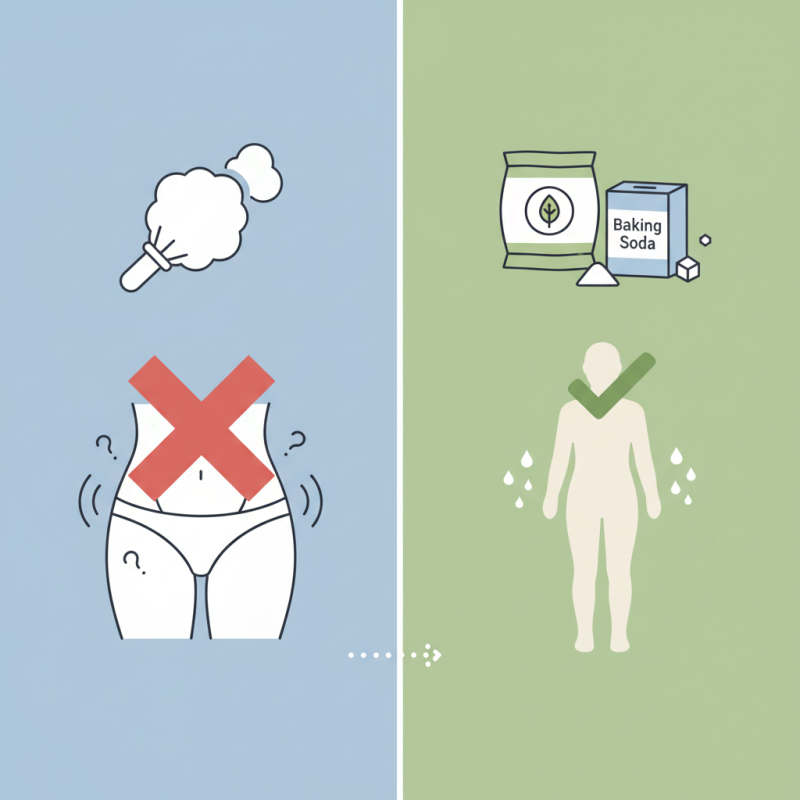
Many people apply talcum powder daily, particularly in hot weather. Yet, there are alternatives available that can provide similar benefits without the risks. For instance, cornstarch and baking soda offer effective moisture control without concerns linked to talcum powder. Exploring these options can lead to safer choices.
It's important to be mindful of how we use talcum powder. Users should consider their application methods and the frequency of use. While it may seem harmless, awareness of potential dangers is vital. Careful consideration can help prevent unnecessary health risks while enjoying the benefits of personal care products.
Understanding Talcum Powder and Its Uses
Talcum powder is widely known for its ability to absorb moisture and reduce friction. Many people use it for personal care, keeping skin dry and smooth. However, its safety and health implications have been debated. Understanding these aspects is crucial for informed use.
Traditional applications include baby powder and adult body powders. Users must recognize that not all talcum powders have the same formulation. Some may contain additives or fragrances that could irritate the skin. Concerns over potential links to health issues have led many to seek alternatives.
Natural options like cornstarch or arrowroot powder are gaining popularity as safe substitutes. They can also absorb moisture without the worries associated with talc.
When using any powder, including alternatives, some people might notice skin irritation or allergic reactions. It’s essential to test a small area first. Keeping an open mind about different products can be beneficial. Everyone's skin is unique, and what works for one might not work for another. Being cautious and informed can lead to better choices in personal care routines.
Potential Risks Associated with Talcum Powder
Talcum powder has been a common product for personal care. Many use it to reduce moisture and friction. However, potential risks have emerged, especially concerning ovarian cancer. A study published in the Journal of the American Medical Association found that women who regularly used talcum powder in the genital area had a 30% higher risk of developing ovarian cancer.
In addition, inhalation of talcum powder can lead to respiratory issues. According to the World Health Organization, fine particles can cause lung inflammation. While talcum powder is seen as safe by some, experts are divided. The American Cancer Society noted that more research is needed to establish definitive links. This uncertainty raises questions. How safe is talcum powder really?
Alternatives are gaining popularity. Cornstarch-based powders are often recommended as safer options. These products are less likely to pose similar risks. As consumers become more informed, choices evolve. It’s essential to weigh the information and consider alternatives. The health implications of talcum powder require careful reflection. The choice between comfort and safety is a personal one.
Safe Application Tips for Talcum Powder
Talcum powder has been widely used for its moisture-absorbing properties. However, it's crucial to apply it safely. According to a study from the Journal of Women's Health, some concerns about talcum powder's long-term use have emerged. It’s important to approach its application with care.
When applying talcum powder, make sure the area is dry. A common tip is to use a small amount and avoid excessive application. Lightly sprinkle it on your hands first, then apply it to the skin. This method helps you control the quantity. Keep the powder away from the face and genital areas to minimize inhalation risks. These simple measures can greatly enhance safety.
Consider using alternatives, such as cornstarch-based powders. Data from the American Academy of Dermatology suggests that these options can provide similar moisture-wicking benefits without associated risks. Always read labels for ingredients. Opt for products that are fragrance-free to reduce irritation chances. Understanding the properties of different powders can help you make safer choices for your skin and health.
Talcum Powder Tips for Safe Use and Alternatives
| Use Case | Safety Tips | Alternatives |
| Baby Care | Apply sparingly, avoiding face and genitals | Cornstarch |
| Body Freshener | Use in well-ventilated areas | Baking soda |
| Makeup Setting | Avoid inhalation during application | Rice powder |
| Foot Odor Control | Keep feet clean and dry | Foot powder with antimicrobial properties |
| Chafing Prevention | Use before physical activity | Shea butter or coconut oil |
Natural Alternatives to Talcum Powder
Talcum powder has long been a staple in many households. However, concerns over its safety have led many to seek natural alternatives. These alternatives can provide similar benefits without the potential risks associated with talc.
Cornstarch is a popular substitute. It absorbs moisture and minimizes friction, making it effective for personal care. A study published in the Journal of Cosmetic Dermatology found that cornstarch-based powders are both safe and effective. Another option is arrowroot powder. This natural powder is known for its soothing properties on the skin. It’s often used in homemade body powders and is rich in vitamins and minerals.
Baking soda is also a great alternative, though it can be abrasive for some. It is excellent at absorbing odors, making it ideal for foot and underarm applications. A report by the American Journal of Clinical Dermatology highlighted that these natural options are not only safer but also environmentally friendly. Finding the right alternative can require some trial and error. What works for one person may not work for another. It's essential to listen to your body and choose what feels best for you.
Talcum Powder Usage and Natural Alternatives
Consumer Recommendations for Talcum Powder Products
Talcum powder has long been a staple in personal care routines. However, recent studies raise concerns over its safety. Some findings suggest a potential link between talc use and certain health risks. As consumers, it’s crucial to make informed choices about talcum powder products.
When selecting talcum powder, consider using products labeled as talc-free. Many alternatives utilize cornstarch as a base, which can provide similar benefits without the associated risks. According to industry reports, about 30% of consumers now prefer cornstarch alternatives over traditional talcum powders. These options can offer moisture control without compromising safety.
Here are some tips for safer use of talcum powder:
- First, apply the product in well-ventilated areas to minimize inhalation risks.
- Second, avoid using talc in sensitive areas, especially for young children. Studies show that pediatric exposure may pose heightened risks.
- Lastly, always check product labels and opt for reputable manufacturers known for prioritizing safety.
Making these small shifts can help ensure a
safer grooming experience while still maintaining hygiene.