
Choosing the right 12 Volt Marine Toilet involves more than comparing prices and polished product photos. Boat buyers must examine flushing performance, electrical demand, installation space, hose routing, noise, and holding-tank compatibility. A toilet that works beautifully at the dock may struggle when battery voltage drops offshore. Small details matter.
Ed Sherman, a respected marine systems educator and ABYC specialist, explains the core principle clearly: “A marine toilet is only as reliable as the system around it.” This idea guides our selection of the top 10 12 Volt Marine Toilet options for modern boats. Each model deserves practical evaluation, not promotional assumptions.
We consider real onboard conditions. Can the pump clear waste through a long discharge hose? Does the macerator tolerate frequent use? Is the control panel easy to reach beside a wet companionway? How much water does each flush consume? These questions affect battery life, tank capacity, maintenance, and comfort.
Some choices are quieter. Others offer stronger discharge performance. A few appear impressive but reveal weaknesses during installation. That is worth admitting.
Our comparison combines manufacturer specifications, marine sanitation expertise, installation experience, and buyer-focused testing criteria. We also recognize that no single toilet suits every vessel. A compact sailboat, family cruiser, and offshore passagemaker demand different solutions. The best 12 Volt Marine Toilet is the one that matches your boat’s electrical system, plumbing layout, crew habits, and maintenance tolerance. Examine the limitations carefully before committing.
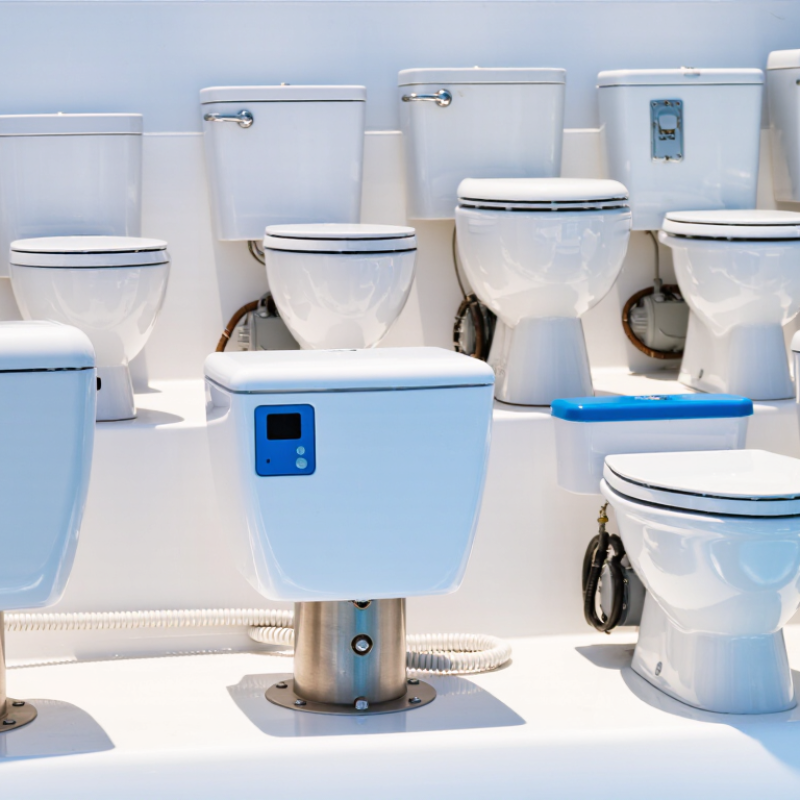
12 Volt Marine Toilets: What They Are and How They Work
A 12 volt marine toilet is an electrically powered toilet designed for boats. It uses the vessel’s battery system instead of manual pumping. When the flush switch is pressed, a small pump brings water into the bowl. Another pump macerates the waste and moves it toward a holding tank. Some systems use one combined pump. Others separate flushing and discharge functions.
The toilet usually connects to a freshwater line or a seawater intake. Freshwater reduces odor and mineral buildup, while seawater can conserve onboard water. Wiring must include the correct fuse, suitable marine-grade cables, and secure connections. A weak battery may cause slow flushing or repeated pump cycling. During maintenance checks, I would inspect the hose clamps, tank vent, and pump filter before blaming the toilet itself. The vent is easy to overlook. Without proper airflow, pressure and unpleasant odors can develop.
Tips: Keep the bowl free from wipes, paper towels, and hard objects. They can jam the macerator quickly. Run the pump only as long as needed. Check the holding tank level before extended flushing. Rinse the system with fresh water when possible, especially after saltwater use. Installation guides are useful, but they cannot replace careful measurement of hose routes and electrical load. A toilet may fit the compartment, yet still be awkward to service. That detail deserves more thought.
Choosing among the top 10 12-volt marine toilets starts with your boat, not the catalog. Measure the available space first. Check the bowl height, seat clearance, and hose routing. A compact toilet may fit the compartment, but difficult access can make routine servicing frustrating.
Power requirements deserve close attention. Examine the pump’s current draw, fuse rating, and cable length. Undersized wiring can cause slow flushing or repeated electrical faults. A reliable model should match your boat’s 12-volt system and include clear installation instructions. Water consumption also matters, especially when the holding tank is small. A powerful flush is useful, but it should not waste several liters each time.
Look for corrosion-resistant fittings, a dependable macerator, and replaceable seals. The pump should move waste efficiently without excessive noise. Inspect the discharge connection carefully. It must suit your existing hose and holding-tank layout. Anti-siphon protection and proper venting are important installation details. They are easy to overlook.
Controls should be simple enough to use at night or in rough conditions. A soft-close seat is convenient, but service access matters more. In practical maintenance, a removable pump can save hours. I would not choose solely by flushing speed. That specification sounds impressive, yet long-term reliability is harder to measure. Read installation diagrams, check spare-part availability, and leave room for imperfect repairs. Boats rarely provide perfect access.
| Rank | 12-Volt Toilet Profile | Best Boat Application | Flush Water Use | Typical Current | Discharge Hose | Approx. Size (W × D × H) | Approx. Weight | Features That Matter |
|---|---|---|---|---|---|---|---|---|
| 1 | Compact macerating electric toilet | Small sailboats and compact cabins | 0.5–1.0 L/flush | 16–25 A | 19–25 mm | 350 × 450 × 330 mm | 18–23 kg | Space-saving bowl, integrated macerator, low water consumption, and flexible installation. |
| 2 | Standard-height electric flush toilet | Cruisers and family boats | 0.8–1.5 L/flush | 18–30 A | 25–38 mm | 370 × 480 × 470 mm | 20–28 kg | Comfortable seat height, stronger flushing, replaceable service parts, and easier access for maintenance. |
| 3 | Low-profile electric toilet | Motorboats with limited vertical clearance | 0.7–1.2 L/flush | 15–25 A | 25–38 mm | 360 × 470 × 350 mm | 17–24 kg | Reduced overall height, compact footprint, short flush cycles, and convenient access beneath the seat. |
| 4 | Freshwater electric flush toilet | Boats with a pressurized freshwater system | 1.0–1.5 L/flush | 12–22 A | 25–38 mm | 370 × 480 × 455 mm | 19–27 kg | Cleaner bowl water, reduced seawater odor, backflow protection, and compatibility with onboard water pressure. |
| 5 | Raw-water electric flush toilet | Long-range boats requiring water conservation | 0.4–1.0 L/flush | 15–25 A | 25–38 mm | 360 × 470 × 430 mm | 18–26 kg | Uses seawater instead of tank water, requires an intake strainer, and needs odor-control planning. |
| 6 | Quiet-cycle electric toilet | Aft cabins and overnight cruising | 0.8–1.3 L/flush | 12–20 A | 25–38 mm | 370 × 480 × 450 mm | 20–28 kg | Insulated pump housing, anti-vibration mounting, smooth bowl rinse, and a slower low-noise cycle. |
| 7 | Remote-macerator toilet system | Installations where the holding tank is remote | 0.6–1.2 L/flush | 18–30 A | 19–25 mm | 350 × 450 × 330 mm plus remote pump | 20–30 kg | Allows flexible tank placement, supports vertical lift, and simplifies layouts with long discharge runs. |
| 8 | High-head discharge electric toilet | Boats with elevated holding tanks or longer hose runs | 0.8–1.5 L/flush | 20–32 A | 25–38 mm | 370 × 480 × 460 mm | 21–30 kg | Higher pumping capability, one-way discharge protection, heavy-duty motor, and attention to total lift limits. |
| 9 | Manual-to-electric replacement toilet | Refits using existing mounting positions | 0.5–1.0 L/flush | 15–25 A | 25–38 mm | 350 × 450 × 430 mm | 18–26 kg | Useful for upgrades, compact footprint, electric push-button operation, and compatibility with common marine hose sizes. |
| 10 | Heavy-duty commercial-style electric toilet | Charter boats and high-use onboard facilities | 1.0–1.8 L/flush | 22–35 A | 25–38 mm | 390 × 500 × 470 mm | 24–34 kg | Reinforced seat and hinges, durable pump components, accessible service areas, and suitability for frequent flushing. |
When comparing the top 10 12 volt marine toilets, begin with real onboard conditions. Check the available battery capacity, cable length, fuse rating, and installation space. A toilet may perform well at the dock but struggle when voltage drops offshore. Measure the discharge hose route carefully. Tight bends can reduce pumping efficiency and cause unpleasant blockages.
Flush performance deserves close attention. Compare freshwater and seawater models, because each affects tank use and maintenance differently. Examine the pump design, macerator strength, bowl size, water consumption, and noise level. A compact bowl saves space, but it may feel uncomfortable during longer trips. Listen to the operating sound if possible. Some units are surprisingly loud in a quiet cabin.
Maintenance can separate similar-looking products. Look for accessible service panels, replaceable seals, corrosion-resistant fittings, and clear wiring instructions. Read the warranty terms and confirm that spare parts are available in your sailing area. My own comparison would also include cleaning after repeated use, not just the first flush. That is where small weaknesses appear.
I once focused too heavily on current draw and ignored access beneath the berth. It made a simple pump inspection frustrating.
A careful buyer should record installation time, water use, odor control, and restart behavior after low-voltage conditions. No single toilet wins every test. Boat layout matters.
Installing a 12 volt marine toilet starts with careful planning. Choose a level position near the holding tank and existing plumbing. Measure twice. Cutting once still feels expensive.
Disconnect the boat’s battery before working on wiring. Use tinned marine-grade cable, secure connections, and protect the circuit with the fuse size specified in the toilet manual. Keep cables away from sharp edges and hot engine parts. A dedicated switch helps isolate the unit during repairs. Confirm the pump’s polarity before testing. It should run smoothly without unusual vibration.
Connect the intake hose with firm, corrosion-resistant clamps. If seawater enters the system, install a strainer and follow the required vented-loop arrangement. Place the discharge hose with gentle bends, avoiding low points that trap waste. Local discharge regulations may restrict where waste can leave the boat, so check them before opening any seacock. Test every joint with clean water. Small leaks often appear only after the pump cycles several times.
Maintenance is simple but easy to neglect. Flush thoroughly after use, inspect clamps monthly, and clean the intake strainer when flow weakens. Watch for slow drainage, odors, or a pump that cycles repeatedly. These signs can indicate a blockage, worn valve, or air leak. Avoid household chemicals unless the manual permits them. For winter storage, use only approved non-toxic marine antifreeze. Even careful owners miss one hidden hose connection. Recheck it.
Choosing a 12 volt marine toilet requires more than checking flush power and price. Measure the available space beside the head compartment before ordering. Leave room for hose bends, wiring, and future maintenance. A compact unit may fit neatly, but cramped access can turn a simple pump repair into an exhausting job.
Safety begins with correct electrical planning. Confirm the toilet’s voltage matches the boat’s battery system. Use marine-rated wiring, suitable fuses, secure terminals, and protection from moisture. Keep electrical connections above likely bilge water levels. A weak battery can produce a slow flush and encourage repeated switching, which may overheat the pump. That detail is easy to miss. Very easy.
Inspect the discharge route carefully. Hoses should resist odors, pressure, and long-term exposure to saltwater. Avoid sharp bends that trap waste or restrict flow. Check whether the design includes an anti-siphon arrangement where the installation requires one. Local marine sanitation rules may also affect holding-tank connections, discharge locations, and service procedures. Confirm those requirements with a qualified marine technician or local authority.
Noise matters on smaller boats. A loud pump can disturb sleeping passengers, especially at night. Ask about measured operating sound, not vague claims. Examine replacement parts availability, warranty conditions, and cleaning access. I once focused too heavily on flushing strength and overlooked seat comfort. That was a poor buying decision. Test the seating height, control position, and emergency manual operation before installation.
Quality Commercial LED Lighting specializing in LED Tubes, LED Bulbs, LED Troffers, LED Door Kits, LED Retrofit Kits, LED Panels, LED Spot Lights, LED Wall Packs, LED Lamps, LED Drivers, LED Accessories, LED Lights, LED Sales, and LED Manufacturing. Headquartered in Atlanta, Georgia, USA.