Top 10 Commercial LED Lamps: Boosting Energy Efficiency by 75% in Your Business
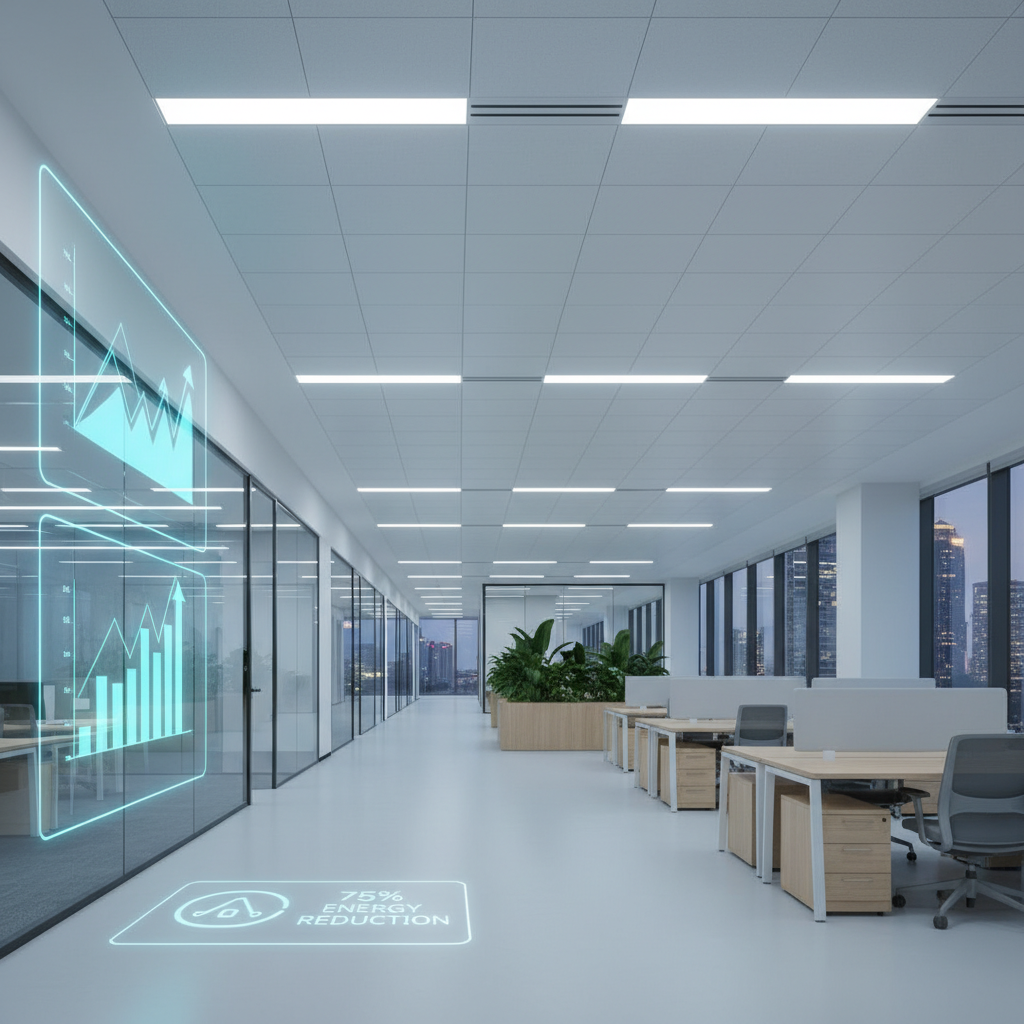
The increasing demand for energy efficiency in commercial settings has led to a surge in the adoption of Commercial LED Lamps. According to a report from the U.S. Department of Energy, lighting accounts for approximately 17% of the total energy consumed in commercial buildings. By transitioning to LED technology, businesses can reduce their energy consumption by up to 75%, significantly impacting their operational costs and carbon footprint.
This remarkable energy efficiency, combined with the long lifespan of LED lamps—up to 25,000 hours—makes them an ideal choice for various commercial applications. A study by the International Energy Agency projects that if all global lighting were converted to LED, the savings in energy costs would exceed $120 billion per year by 2030. As commercial spaces strive to enhance sustainability while cutting expenses, the shift to Commercial LED Lamps is not just a trend, but a necessity.
In this article, we will explore the top 10 Commercial LED Lamps available in the market today, highlighting their features, benefits, and how they can revolutionize your energy management strategy. By integrating these efficient lighting solutions, businesses can achieve substantial savings and contribute to a greener future.
Benefits of Using LED Lamps in Commercial Settings
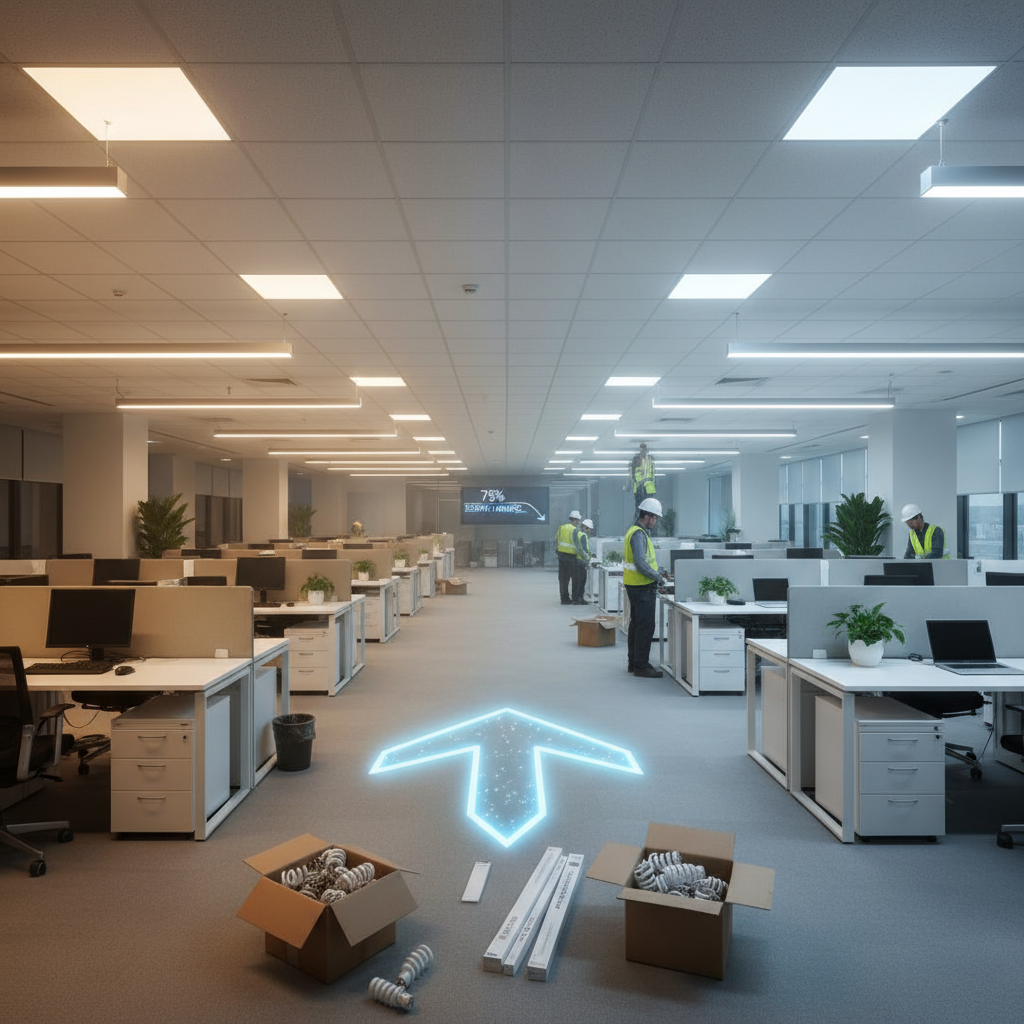
The transition to LED lamps in commercial settings is a game changer for businesses aiming to enhance energy efficiency. LED lighting typically consumes up to 75% less energy compared to traditional incandescent bulbs, which translates directly into reduced electricity costs. This significant decrease in energy consumption not only lowers monthly utility bills but also contributes to a more sustainable business model by decreasing the overall carbon footprint.
Additionally, LED lamps have an impressive lifespan, often lasting up to 25,000 hours or more. This longevity minimizes the frequency of replacements, which not only saves on purchasing costs but also reduces maintenance efforts and downtime in commercial environments. Moreover, LED lighting provides higher quality illumination that enhances workplace productivity. With improved visibility and reduced glare, employees can work more efficiently, while customers benefit from a more welcoming atmosphere. Overall, the adoption of LED lamps in commercial spaces paves the way for both financial savings and improved operational effectiveness.
Comparative Analysis: LED vs. Traditional Lighting Solutions
When evaluating lighting solutions for commercial spaces, the comparative analysis of LED versus traditional lighting reveals significant advantages that are hard to overlook. According to a report by the U.S. Department of Energy, LED lighting is up to 75% more energy-efficient than conventional incandescent bulbs. This efficiency not only translates to reduced energy bills but also contributes to lower greenhouse gas emissions, aligning with modern business sustainability goals.
In addition to energy savings, LEDs have a longer lifespan, often lasting 25,000 hours or more compared to the typical 1,000 hours of incandescent bulbs. This extended lifespan reduces the frequency and costs associated with replacements. A recent study by McKinsey & Company indicates that businesses can experience a payback period of just two years when transitioning to LED technology, further enhancing their cost-effectiveness. Additionally, the improved quality of light provided by LEDs can enhance workplace productivity and create a more inviting atmosphere for customers, making them a worthy investment for any business aiming to innovate while saving energy.
Top 10 Commercial LED Lamps: Boosting Energy Efficiency by 75% in Your Business
| Lamp Model |
Wattage |
Luminous Output (lm) |
Energy Efficiency (lm/W) |
Average Lifespan (hours) |
Estimated Annual Cost Savings ($) |
| LED A |
15W |
1600 lm |
107 lm/W |
25000 |
$80 |
| LED B |
18W |
2300 lm |
128 lm/W |
30000 |
$95 |
| LED C |
14W |
1500 lm |
107 lm/W |
20000 |
$70 |
| LED D |
22W |
3000 lm |
136 lm/W |
35000 |
$110 |
| LED E |
25W |
3200 lm |
128 lm/W |
40000 |
$125 |
| LED F |
20W |
2500 lm |
125 lm/W |
30000 |
$90 |
| LED G |
16W |
1800 lm |
113 lm/W |
25000 |
$75 |
| LED H |
19W |
2400 lm |
126 lm/W |
32000 |
$100 |
| LED I |
17W |
2200 lm |
129 lm/W |
30000 |
$85 |
| LED J |
21W |
2800 lm |
133 lm/W |
34000 |
$115 |
Factors Influencing Energy Efficiency in LED Technology
When it comes to enhancing energy efficiency in commercial spaces, several factors play a crucial role in the efficacy of LED technology. One primary element is the quality of the LED chip used in the lamp. High-quality chips often have better luminous efficacy, which means they convert electrical energy into light more efficiently. According to the U.S. Department of Energy, advancements in LED technology are expected to improve energy efficiency by up to 75% compared to traditional lighting sources, which can significantly lower operational costs for businesses.
Another influencing factor is the thermal management of the LED fixtures. Effective heat dissipation not only prolongs the lifespan of the bulbs but also maintains their luminous efficacy over time. Reports from the Lighting Research Center indicate that well-designed LED systems can achieve an operational lifespan exceeding 50,000 hours, reducing replacement frequency and associated costs. Moreover, the design of the fixtures, including optics and reflectors, significantly affects how light is distributed in a space, optimizing energy use by minimizing wasted light. Integrating such advanced features can enhance overall energy efficiency, making switching to commercial LED lamps a smart investment for businesses looking to enhance sustainability and cut costs.
Top 10 Commercial LED Lamps: Energy Efficiency Comparison
Cost Savings and Return on Investment for Businesses
Switching to commercial LED lamps can significantly enhance energy efficiency in businesses, leading to substantial cost savings. Traditional lighting alternatives consume considerably more energy, resulting in higher electricity bills. In contrast, LED lamps use up to 75% less energy, providing an immediate reduction in operational costs. This transition not only lowers utility expenses but also extends the lifespan of lighting fixtures, decreasing maintenance and replacement costs over time.
When considering the return on investment (ROI) for businesses, the financial benefits of LED lighting become unmistakably clear. Although the initial investment might be higher than conventional lighting, the cumulative savings in energy costs and reduced maintenance create a swift payback period. Many businesses report ROI within two years of implementing LED technology. Furthermore, by reducing energy consumption, companies can improve their sustainability profiles, potentially attracting eco-conscious customers and partners.
Overall, the shift to commercial LED lamps is not just a step towards energy efficiency but a strategic financial decision that propels businesses toward long-term profitability.
Latest Trends in Commercial LED Lighting Innovations
The latest trends in commercial LED lighting innovations are rapidly reshaping the industry, emphasizing energy efficiency and sustainable practices. With projections showing the global lighting market size reaching $208.69 billion by 2025 and $344.17 billion by 2035, businesses are increasingly adopting LED solutions to stay competitive. LED technology not only reduces energy consumption by up to 75% but also enhances the quality of light, creating optimal environments for work and creativity.
As the market evolves, there is a growing demand for energy-efficient solutions that meet both economic and environmental needs. This trend highlights the importance of innovation in lighting design and technology. A significant aspect of this shift is the development of smart lighting systems that offer customizable settings to optimize energy use further.
Tips: When considering an upgrade to LED lighting, evaluate your current energy consumption and the potential savings on electricity bills. Investigate smart lighting controls that can adjust based on occupancy or natural light levels to maximize efficiency. Additionally, stay informed about technological advancements in LED lighting to leverage the benefits of the latest innovations for your business.