What Are the Top Types of LED Lamps for Global Buyers?
What Are the Top Types of LED Lamps for Global Buyers? The answer depends on where, how, and why the lamp will be used. Led Lamps now serve homes, offices, warehouses, retail stores, streets, and industrial sites. Each setting demands a different balance of brightness, efficiency, durability, and installation effort.
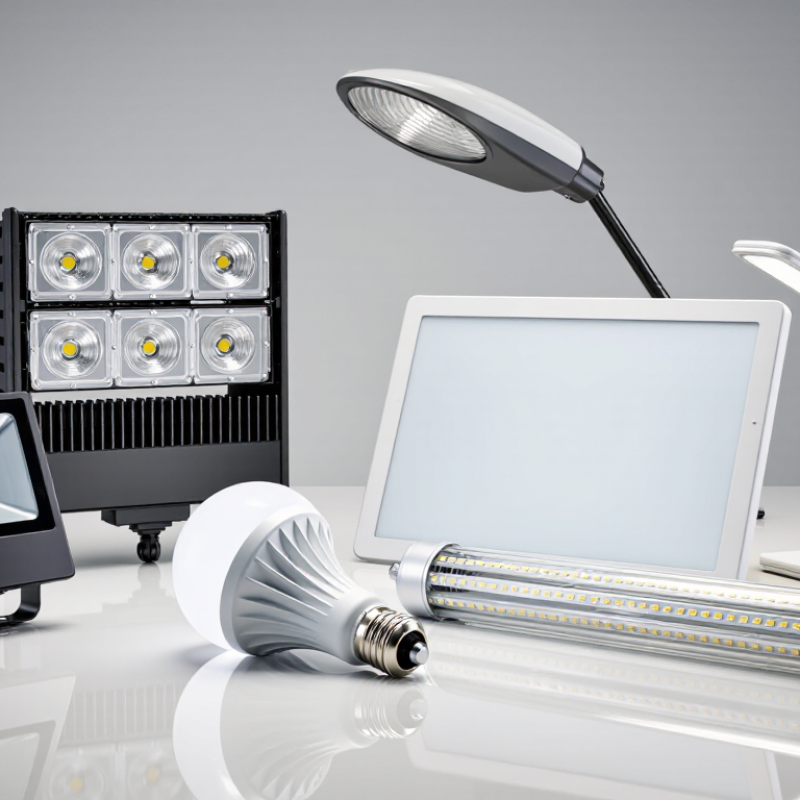
Common options include A-shaped bulbs for household fixtures, LED tubes for offices, and panel lights for clean ceiling layouts. Floodlights suit outdoor walls and security areas. High-bay lamps are practical for warehouses with tall ceilings. Street lamps require controlled beam angles and weather-resistant housings. Smart lamps add remote control, scheduling, and adjustable color temperature, although these features can increase cost and maintenance needs.
Real buying experience shows that appearance alone is unreliable. A bright lamp may still create glare. A low-priced tube may need a separate driver or rewiring. Buyers should compare lumens, wattage, color rendering index, color temperature, beam angle, IP rating, operating temperature, and rated life. Supplier test reports, warranty terms, sample orders, and factory quality records also matter. Certifications should match the destination market and the product category.
Small details matter.
For example, a 4000K panel can feel comfortable in an office, while 6500K may appear harsh in a hotel corridor. Outdoor lamps need sealed connections, not just attractive shells. Product claims deserve careful review because performance can vary with heat, voltage, and installation quality. There is no single best Led Lamps type for every global buyer. A dependable choice is usually the one that fits the application, local requirements, maintenance plan, and realistic budget. Mistakes remain possible, so testing samples before bulk purchasing is a sensible step.
LED Lamp Categories by Application: Five Core Types for Global Buyers
Global buyers rarely need one LED lamp for every site. Application determines performance, comfort, and maintenance costs. Residential LED lamps suit bedrooms, kitchens, and small offices. They usually use compact bulbs with warm or neutral light. Commercial lamps include panels and linear tubes. They support offices, shops, schools, and larger indoor areas. Uniform brightness matters here.
Industrial LED lamps are built for warehouses, workshops, and production floors. High-bay fixtures need strong output, heat control, and stable drivers. Outdoor lamps cover streets, parking areas, gardens, and building walls. Floodlights and street lamps require weather resistance and careful glare control. Specialty lamps serve demanding locations, such as refrigerated rooms, sports spaces, or emergency pathways. Their design depends heavily on temperature, operating hours, and safety requirements.
In procurement reviews, I check lumen output, beam angle, color temperature, and expected lifetime. I also verify voltage compatibility and regional certification requirements. An IP rating helps buyers judge protection from dust and water. Photometric files can reveal poor distribution before installation. Warranty terms matter, but clear testing records matter more. I have seen buyers choose the brightest lamp and still create dark working zones. A higher lumen value is not always better. Color can appear different after installation. Sample testing remains useful, even when the specification sheet looks complete.
LED Bulbs and Corn Lamps: 80–150 lm/W and 25,000–50,000 Hours
For global buyers, LED bulbs and corn lamps remain practical choices for everyday lighting upgrades. Most quality models deliver about 80–150 lumens per watt. A 10-watt bulb may produce similar light to an older 60-watt incandescent lamp. That difference matters in shops, homes, corridors, and small offices.
LED bulbs usually fit familiar screw or bayonet sockets. They work well in table lamps, ceiling fixtures, and enclosed indoor spaces. Corn lamps use several LED rows around a cylindrical body. This design spreads light widely, making them useful for warehouse fittings, street lanterns, garages, and high-bay replacements. Corn lamps need enough ventilation. Trapped heat can shorten their service life.
Many products list 25,000–50,000 hours. These figures usually depend on controlled temperatures, stable voltage, and suitable drivers. Real results can be less predictable. Heat is the quiet problem. A lamp installed above a hot ceiling may fail earlier than expected, even with a strong specification sheet.
Check color temperature, beam angle, socket size, and input voltage before ordering. Confirm whether the lamp suits enclosed fixtures. Also review lumen maintenance, power factor, and testing documents. A higher wattage is not always better. I have seen buyers choose bright lamps that created glare and wasted light. The better choice matches the working area, mounting height, and local electrical requirements. Datasheets help, but installation conditions still deserve careful thought.
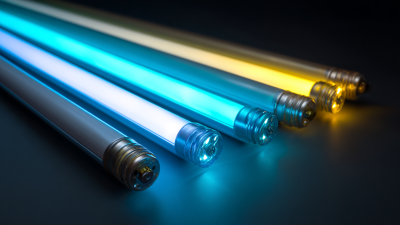
LED Tubes and Panels: 100–160 lm/W, 80+ CRI, and 50,000 Hours
LED tubes and panels remain practical choices for global buyers because they balance efficiency, coverage, and maintenance costs. A well-designed product can deliver 100–160 lm/W at system level. This range matters in warehouses, offices, schools, and retail corridors. The U.S. Department of Energy’s 2024 Solid-State Lighting R&D Opportunities report identifies higher efficacy as a major industry target. However, advertised LED-chip performance is not the same as complete-fixture performance.
For visual quality, specify a CRI of 80 or higher. Higher CRI helps workers distinguish labels, surface colors, and safety markings more accurately. A rated life of 50,000 hours can reduce relamping work, but it is usually an engineering projection. Ask for LM-80 and TM-21 documentation, plus thermal test conditions. Heat matters. A hot ceiling void can shorten real service life.
Tips:
Compare delivered lumens, not wattage alone. Check the test report’s ambient temperature and power factor. Confirm whether the 50,000-hour claim means L70, which indicates 70% retained light. For tubes, verify ballast compatibility before ordering. For panels, inspect driver replacement access and glare data. The U.S. Department of Energy’s CALiPER research has repeatedly shown that field performance can differ from catalog claims. That gap deserves attention. A lower-cost panel may look efficient, yet poor thermal design can create uneven brightness, early failures, or uncomfortable glare. Specification discipline is not exciting, but it prevents expensive surprises.
LED High-Bays and Floodlights: 130–180 lm/W with IP65 Protection
What Are the Top Types of LED Lamps for Global Buyers?
LED high-bays and floodlights now serve warehouses, factories, sports grounds, and loading areas. Many commercial models deliver 130–180 lm/W, reducing wattage without sacrificing useful brightness. The U.S. Department of Energy’s 2023 Solid-State Lighting R&D Opportunities report highlights efficacy, thermal control, and optical design as continuing industry priorities. These factors matter more than lumen claims alone. A high-bay should distribute light evenly across tall shelves, while a floodlight needs controlled beams for yards, façades, or open work zones. Poor optics can create glare and dark patches.
IP65 protection is another practical benchmark. Under IEC 60529, the first 6 indicates complete dust protection, while the second 5 indicates resistance to water jets. This suits many dusty indoor facilities and exposed outdoor areas, but not permanent immersion. I have seen buyers focus on IP65 and overlook heat. That mistake can shorten service life. Housing material, surge protection, driver quality, and ambient-temperature ratings deserve equal attention. The DOE report also stresses thermal management because heat affects LED performance and reliability.
Tips: Compare delivered lumens, not input watts. Request photometric files and maintenance data. Check whether 130–180 lm/W applies to the whole fixture or only the LED module. Confirm the test temperature. Real installations may perform lower. A small on-site trial is often wiser than a large first order. Use lighting simulations before mounting fixtures, especially where workers, vehicle routes, or reflective metal surfaces are present.
What Are the Top Types of LED Lamps for Global Buyers? – LED High-Bays and Floodlights: 130–180 lm/W with IP65 Protection
Typical specification ranges for commercially available LED high-bay and floodlight configurations used in industrial, commercial, infrastructure, and outdoor applications.
| LED Lamp Type |
Typical Power |
Typical Efficacy |
Approx. Light Output |
Ingress Protection |
Recommended Beam Angle |
Typical CCT |
Best-Fit Applications |
| Linear LED High-Bay |
80–150 W |
130–170 lm/W |
10,400–25,500 lm |
IP65 |
30°–120° |
4,000–6,500 K |
Warehouses, aisles, workshops |
| Round LED High-Bay |
100–240 W |
140–180 lm/W |
14,000–43,200 lm |
IP65 |
60°–120° |
4,000–6,500 K |
High-ceiling factories, logistics centers |
| Low-Glare LED High-Bay |
100–200 W |
130–165 lm/W |
13,000–33,000 lm |
IP65 |
45°–90° |
4,000–5,000 K |
Retail halls, sports facilities, production areas |
| Compact LED Floodlight |
30–100 W |
130–170 lm/W |
3,900–17,000 lm |
IP65 |
30°–120° |
3,000–6,500 K |
Entrances, small yards, signage |
| Area LED Floodlight |
100–300 W |
140–180 lm/W |
14,000–54,000 lm |
IP65 |
30°–90° |
4,000–6,500 K |
Parking areas, loading zones, building façades |
| Sports and High-Mast Floodlight |
300–1,000 W |
130–170 lm/W |
39,000–170,000 lm |
IP65 |
10°–60° |
4,000–6,500 K |
Stadiums, ports, airports, high-mast areas |
Buyer reference: Actual performance depends on LED package selection, optical design, driver efficiency, ambient temperature, installation height, and photometric testing. IP65 indicates protection against dust ingress and water jets from any direction; it does not indicate suitability for temporary immersion.
LED Streetlights: 100–170 lm/W, 70+ CRI, and 50,000-Hour Life
LED Streetlights: 100–170 lm/W, 70+ CRI, and 50,000-Hour Life
LED streetlights are a practical choice for roads, parking areas, and public pathways. For global buyers, system efficacy between 100 and 170 lm/W offers useful energy savings. That range depends on optics, temperature, driver quality, and operating conditions. A 170 lm/W figure can look impressive, but it may describe laboratory performance. Real installations often produce less. Road design matters too. A narrow street needs different light distribution than a wide highway. CRI above 70 helps drivers recognize vehicles, signs, and pedestrians more accurately. It is not everything. Glare control and uniformity can matter more at night.
A rated life of 50,000 hours usually assumes controlled temperatures and proper electrical conditions. Buyers should request testing details, lumen-maintenance data, and driver-life information. Thermal inspection is essential. Look for it. Housing design, heat dissipation, and sealing affect long-term reliability. Field evaluations should check light levels after installation, not only during factory tests. Photometric files can confirm spacing, mounting height, and road coverage before purchase. Surge protection is also important in areas with unstable weather. Controls can reduce energy use, yet complicated systems may increase maintenance problems. A simple design is sometimes safer. The specification sheet deserves careful questioning, especially when performance claims seem unusually perfect.
What Are the Top Types of LED Lamps for Global Buyers?
Typical market specification ranges for common LED lamp categories. LED streetlights commonly deliver 100–170 lm/W, a CRI of 70 or higher, and an expected service life of approximately 50,000 hours.
How to read the chart: Higher luminous efficacy means more light output per watt. The actual performance depends on optics, thermal design, operating temperature, driver efficiency, and local certification requirements.