What Are the Top Types of Commercial LED Lighting?
Commercial Led Lighting now spans far more than a simple bulb replacement. Offices, warehouses, retail stores, and parking areas need different fixtures, beam patterns, and controls. A warehouse aisle may call for a high-bay fixture, while an office ceiling often suits troffers or flat panels. Outdoors, wall packs and area lights serve different mounting heights and coverage needs. The details matter.
The U.S. Department of Energy’s 2020 U.S. Lighting Market Characterization estimated that LED products made up 48% of installed lighting stock in the United States. That figure covers multiple sectors, so it should not be mistaken for a commercial-only adoption rate. The Energy Information Administration’s Commercial Buildings Energy Consumption Survey also tracks lighting within the broader energy use of commercial buildings. Together, these sources show why fixture choice matters, but neither replaces a site-specific assessment.
This guide explores the leading commercial LED types, including linear fixtures, high bays, downlights, panels, and outdoor luminaires. It considers where each type commonly fits, what to check before specifying it, and how controls can affect performance. A high lumen rating alone does not guarantee good light. Glare, mounting height, color quality, and operating hours matter too. Not every retrofit wins. Existing wiring, ceiling layouts, and uneven light levels can complicate a project. Those practical limits deserve attention, not a glossy promise.
How Commercial LED Lighting Is Categorized
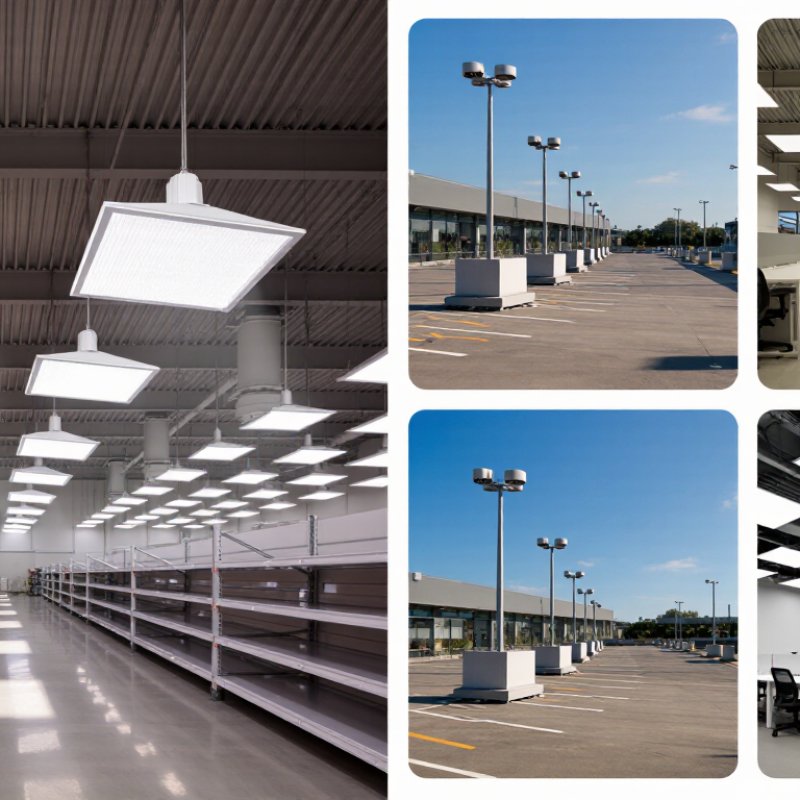
Commercial LED lighting is best categorized by where it operates and what the space needs. Indoor systems include linear fixtures for offices, panels for suspended ceilings, and high-bay lights for warehouses. Downlights and track fixtures suit retail areas where focused, adjustable beams help display products. Outdoors, wall packs, canopy lights, and area luminaires serve entrances, parking lots, and loading zones. Different jobs.
Fixture shape alone is not enough. A useful classification also considers light distribution, mounting method, controls, and environmental protection. For example, a warehouse aisle may need narrow optics, while a workshop benefits from broad, even illumination with limited glare. Check color rendering, correlated color temperature, dimming compatibility, and ingress protection where dust or moisture is present. Details matter. During a site review, compare the existing layout with ceiling height, task locations, and operating hours before choosing a category. One common mistake is selecting by wattage alone; it does not show how light reaches the work surface. Categories overlap, too. A linear high-bay fixture may fit both a fixture-style list and an industrial-use list, so define the classification system before comparing options.
LED Panels, Troffers, and Downlights for Interior Spaces
What Are the Top Types of Commercial LED Lighting?
LED Panels, Troffers, and Downlights for Interior Spaces
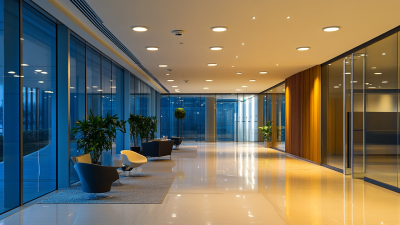
LED panels create broad, even light in offices, clinics, and classrooms. Their flat profiles suit suspended ceilings and help reduce visual clutter. Troffers also fit grid ceilings, but their recessed housings can make them a practical replacement for older fluorescent fixtures. Compare light output and glare control, not just appearance. A bright ceiling can still leave desk surfaces dim.
Downlights direct light onto specific areas, such as reception counters, corridors, or meeting tables. Their focused beams add useful contrast, though poor spacing can create bright spots and dark gaps. Check ceiling height, beam angle, and the room’s task needs before choosing. Dimming controls may improve comfort, but only when fixtures and controls are compatible. One detail is easy to miss: a lighting plan that looks balanced on paper may feel harsh after installation.
Tips: Review the room at different times of day. Test a sample fixture when possible, and check how its light falls on screens, walls, and work surfaces. More brightness is not always better.
Linear and Strip LEDs for General-Purpose Lighting
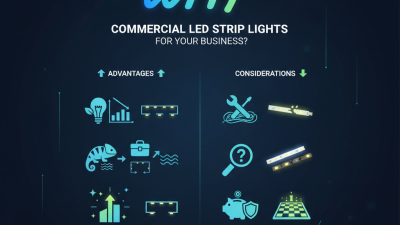
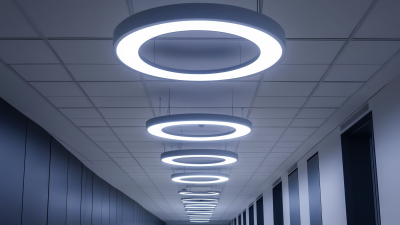
Linear and strip LEDs are practical options for general-purpose lighting in offices, workshops, corridors, and retail spaces. Their long profiles spread light across desks, aisles, and work surfaces, helping reduce the dark gaps that point-like fixtures can leave. In a real layout, ceiling height, fixture spacing, and lens design matter as much as output. A clear lens may create glare on a glossy counter, while a diffused lens usually gives a softer appearance. Small details matter.
Linear fixtures often fit suspended ceilings or open work areas, while LED strips can follow shelves, cabinets, and narrow coves. Strips need a suitable channel and heat management; mounting them directly to an unsuitable surface can shorten their life. Check color rendering, color temperature, dimming compatibility, and driver access before installation. For task areas, compare the actual light on the work surface, not only the rated lumens. A site walk can reveal shadows from shelving or beams that a plan misses. The layout is easy to underestimate, so measure carefully. Light levels may still need adjustment after the room is in use.
High-Bay and Low-Bay LEDs for Large Commercial Spaces
What Are the Top Types of Commercial LED Lighting?
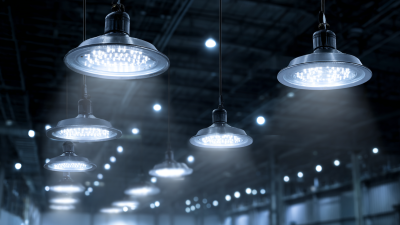
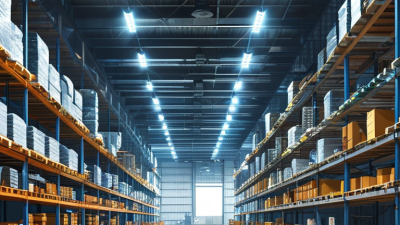
High-bay and low-bay LEDs serve large indoor spaces, but ceiling height is only part of the decision. High-bay fixtures are often used in warehouses, workshops, and gyms with tall ceilings. They can direct light down to work areas, aisles, and equipment. Low-bay fixtures suit lower ceilings, such as those in stockrooms or smaller retail spaces. Their wider, softer distribution can help reduce harsh pools of light.
Fit matters. A high-bay fixture placed too close to a work surface may create glare, while a low-bay light used too high may leave dim patches on the floor. Check the fixture’s light distribution, mounting height, spacing, and expected operating hours before choosing. A lighting plan can reveal dark aisle ends or shadows beneath shelving. Small details count.
Controls can help, too. Occupancy sensors may reduce energy use in storage areas that sit empty for long periods. Daylight controls can be useful near skylights, provided they are set up carefully. I would still question a plan based on fixture wattage alone. A simple on-site test can show whether labels, floor markings, and work surfaces are genuinely easy to see.
Floodlights, Wall Packs, and Canopy Lights for Outdoor Areas
Outdoor commercial areas often need different lighting at the same site. Floodlights suit loading yards, building edges, and open parking spaces. Their broad, adjustable beams can cover large areas, but poor aiming may send glare toward drivers or nearby windows.
Wall packs provide more localized light along exterior walls, entrances, and walkways. Choose a distribution pattern that illuminates the path without creating harsh bright spots.
Canopy lights fit beneath covered entrances, fuel canopies, and loading bays, where even light helps people see surfaces and obstacles.
Small details matter. Check the fixture’s wet-location rating, mounting height, beam pattern, and expected operating hours. A lighting plan based on the site layout is more dependable than choosing by wattage alone.
I’ve seen bright fixtures leave dark gaps when spacing was overlooked. That part is easy to miss.
Tips: Aim floodlights down and away from neighboring windows. Use wall packs near doors, not as a substitute for path lighting. Under canopies, compare light distribution across the full covered area. Consider dimming or motion controls where activity varies, and leave access for cleaning and maintenance. Recheck the site after installation; real shadows may differ from the drawing.